The world feels alien and miserable nowadays, so today I will take you back a bit in time, just for the comfort that the old memories offer.
Once upon a time, short short ago (this is how fairy tales and all tales will begin henceforth), my blog was bereft of recipes. What was I writing about then? Well I was very busy talking about my restaurant experiences and of course my beloved travel stories. Had I intended to incorporate recipes too? Yes of course, for that had been the original purpose of this blog called Currylines – Recipes, Reviews, Routes, as my Introductory post will reveal.
However, that intention was cast aside before even a single recipe could be noted here, mainly because though I usually have a lot to say, I always felt I would stink when it came to creating those long, interesting(?) stories that seem to precede recipes in most of the blogs that I have seen. So I felt apologetic about my lack of chattiness (though some might consider that a blessing :-D) and stuck to talking steadfastly about reviews and routes.
Eventually out of sheer guilt, I finally decided to post at least one recipe, just to assuage my conscience. The timing also happened to coincide with the International Millet trade fair that I was involved with and hence it seemed appropriate to write a recipe made from those grains. So I picked the Millet Khichdi which is one of the easiest recipes ever and it was very well received by all those who read it.
Buoyed by this, I then resolved to continue populating the blog with more millet recipes and the rest is mystery (not history) because I did the disappearing act again and all my many millet recipes found themselves relegated yet again, way beyond the back burner.
But today, a sudden burning need to make good that lapse while being imprisoned at home by a microscopic twit of a virus, compels me to remember that my primary allegiance is towards millets and not the sourdough madness that has taken precedence and jumped the recipe queue.
So let us stop talking and hop right into the tale of our Foxtail upma and place it in its long overdue limelight (did I say I was not chatty? 😉)

What is Upma –
Upma or Uppittu is a hard to describe creature. One could liken it to couscous, where semolina (rava) is cooked in liquid (mostly water) into a pasty lump or a light and fluffy dish depending on ones’s preference and also skills.
For all its Upma’rket sounding name, it suffers quite a bit of detestation from a large section of people.
One either hates it or loves it and since I fall in the former category, my husband who belongs to the latter, sadly always had to lump it (no pun intended). Of course I did make it for him from time to time until I had a brainwave and realized that he could have it more frequently if I taught him to make it himself. How evil is this genius?
Fortunately my husband is a quick learner and also has an interest in cooking (with a temperamental/mental wife, that is a smart thing to do in any case :-D) and he usually replicates whatever I teach him, in an obedient and accurate manner. This particular upma was made by him but the photography and the teaching credit goes to me 😎
This was also made a couple of years ago (yes shame on me for not posting earlier), hence I do not have step wise pictures. However, the process is not very complex and the written recipe should suffice. I will definitely update with pictures when I make it again.
Upma is traditionally made with rava which is wheat semolina but one can also use millets as a healthier and gluten free alternative. This variant that is featured here, uses Foxtail millet.

What are millets –
Simply put, Millets are cereal grass crops with tiny seeds that are edible and are used for human consumption as well as animal fodder. These belong to the Poaceae family and are believed to be cultivated for their grain, over 4000 years ago in Asia.
The major millets are more familiar and Jowar (Sorghum), Bajra (Pearl), Ragi (Finger) fall in this category.
The minor millets are Foxtail, Proso, Kodo, Barnyard and Little millet and also the lesser known Brown top millet.
You can read more about them in this post on Millets if you are interested.
The process of making upma –
A regular upma can be made in a variety of ways. The common method is to roast the rava, then season in in oil and spices and then cook it in a certain proportion of water. Less water will result in a fluffier end result and more liquid will give you a pasty mush, both of which have a substantial fan following among upma lovers.
Another method is to complete the seasoning and add water to it. The rava is then added to the boiling water and the process continues.
Millets being harder in texture than rava, one can pre cook them and then season them, much like a mixed rice dish like lemon rice etc.
If using millet rava, which is broken millet grits, then one has to first roast thoroughly and then proceed because the cooking time for these grains is considerably longer than for wheat rava.
Upma can also be plain or enhanced with vegetables like peas, finely diced carrots, beans, potatoes etc.
We have a cashew nut fetish in our house, so you will also find them all over the place in most of my recipes, even if uncalled for 😛
Foxtail millet Recipe –
In this recipe I have used readymade foxtail millet rava. You can also pulse whole millet in your grinder to break it down into coarse rava. Any other minor millet rava can also be used. The difference in texture between the various minor millet upmas, is quite negligible.
Time –
Approximately 45 minutes.
Makes – 4 average sized portions
Ingredients –
Foxtail millet rava (grits) – 1 cup (around 200 – 250 ml cup)
Oil – 3 tablespoon (see Notes)
Mustard seeds – 1/2 teaspoon
Hing (asafoetida) – a pinch
Urad dal – 1 teaspoon (black gram lentil)
Channa dal – 1 teaspoon (split chickpea)
Groundnuts – 1 tablespoon
Cashewnuts – 10
Green chillies finely chopped – 4 or as per taste
Ginger finely chopped – 1/2 inch piece
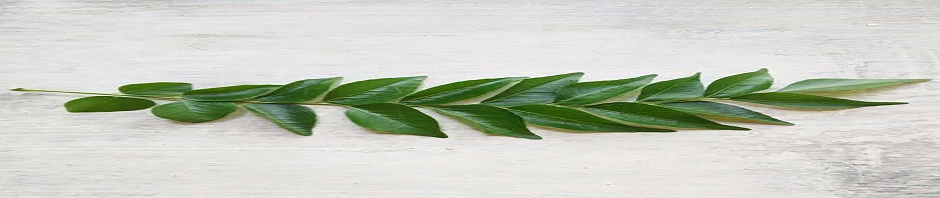
Curry leaves – 10
Mixed vegetables like peas, finely diced carrot, beans, potatoes etc – optional and in desired quantities.
Salt – 1 teaspoon or to taste
Sugar – 1 teaspoon (optional)
Boiling hot water – 3 cups (see Notes)
Lime juice – 2 teaspoons
Finely chopped coriander leaves to garnish – 1 tablespoon
Method –
Heat a medium sized kadai (wok) and dry roast the foxtail millet rava in it for at least 5 minutes on low heat or until the roasted aroma emanates.
Keep the rava aside and heat oil in the same kadai.
Add the groundnuts and cashewnuts and fry till done. Keep them aside.
In the same oil, add the mustard seeds, urad dal, channa dal and hing and fry till the dals turn brownish.
Add the green chillies, curry leaves, ginger and fry for a bit.
If using vegetables, add them at this point and stir fry till nearly done.
Add the rava and fry it for a minute or two.
Add the sugar (if using) and salt and mix well.
Make sure the flame is at its lowest and pour the boiling water into the kadai. Stir rapidly and immediately cover the vessel with a lid.
Allow it to cook without uncovering, for at least 5 minutes.
When you open the lid, the water should have been completely absorbed by the rava. If not, keep the kadai uncovered and allow the water to dry up on a low heat.
Add the lime juice and mix well, trying to fluff up the upma with a gentle hand.
Switch off the heat and garnish with coriander leaves.
Upma is best eaten hot but haters do not care, so they also eat it cold 😀
Leftovers can be refrigerated for a couple of days.

Notes –
You can increase the amount of oil for a tastier and less sticky upma.
3 cups of water will give you a fluffy upma but if you are fond of the gluey version (sorry but I call it the toothpaste version :-D), then increase the water accordingly.
I hope you will successfully try this recipe and I would really appreciate if you leave your feedback in the Blog comments.
Also catch me on My Facebook, My Facebook page, My Twitter and My Instagram

Simple and Easy!!
Lemme make this and see how it turns out!
Thank you. Please try it out.